
How to Stop Alcohol Cravings: An Evidence-Based Guide
If you turn to alcohol to ease anxiety, try exercise as a healthy alternative. Medical experts now use the term “alcohol use disorder” Alcoholics Anonymous rather than “alcohol abuse” to address the concern of excessive drinking. Reaching a state of recovery after being actively addicted to alcohol is a major accomplishment. It is important to remember that remaining in recovery, however, is a life-long responsibility that requires a great deal of patience and focus. One of the most difficult challenges that many people face during recovery includes experiencing cravings for alcohol. Learning how to deal with these cravings is critical, as they can seemingly come out of nowhere and be triggered by factors as simple as being hungry, tired, or lonely.
Types of Professional Alcohol Addiction Treatment
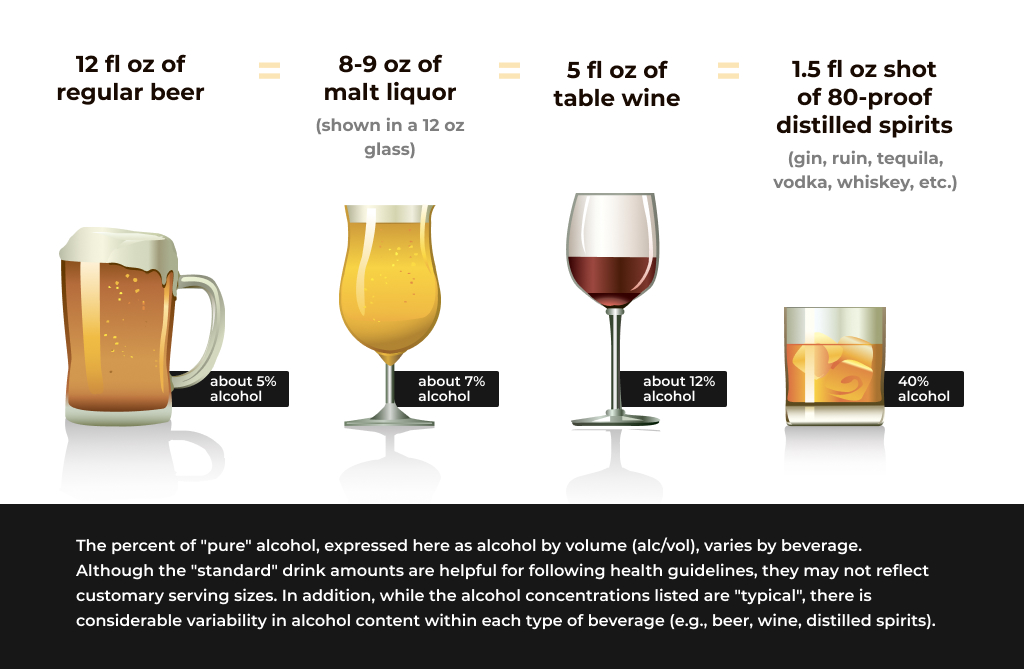
One 12-ounce can of beer contains about 5% alcohol, and a standard glass of sherry is 3 to 4 ounces and contains about 17% alcohol, according to the NIAAA. If you identify with any of the scenarios above, try the expert tips below how to stop alcohol cravings for reducing your alcohol consumption (or even eliminating it altogether). You might decide to meet friends at a quieter venue or practice relaxation techniques before heading to a social event. Instead of giving in to an immediate urge, make a conscious decision to delay your response. Tell yourself that you’ll reconsider the craving in 15 minutes.
Foods That Can Help Curb Alcohol Cravings
It becomes a problem when you feel the urge to drink in the morning on a regular basis and if you are unable to calm your nerves without drinking. Overall well-being plays a significant role in managing cravings. Focus on maintaining a balanced diet, regular exercise routine, and good sleep hygiene. These lifestyle factors can significantly impact your ability to resist cravings and maintain sobriety. Find alternative activities that bring you joy and fulfillment.
Engaging in Alternative Activities and Hobbies
- Firstly, Mindfulness is a mental state achieved by focusing one’s awareness on the present moment, while calmly acknowledging and accepting one’s feelings, thoughts, and experiences.
- If you’ve put all of the above tools into practice, you might be wondering, ‘how long until I stop experiencing cravings?
- These alcohol addiction treatments can curb cravings and make walking away from the situation more manageable.
Support groups are an excellent asset to help you feel that you’re not alone. That’s when the “drinking habit” begins to form, as the brain is now accustomed to the fact that drinking automatically means a positive feeling takes over. Cravings are common in the early stages of recovery, when you haven’t had a drink for a certain length of time, and you may experience them on and off for a number of years. You may find it hard to concentrate on anything else, https://ecosoberhouse.com/ which can make it even more challenging to resist having a drink. Alcohol cravings can feel overwhelming, driven by withdrawal, habits or emotional facts. Using your willpower can be one of the tools in your toolkit, but it shouldn’t be the only one.
- Dehydration and poor nutrition can amplify the need for alcohol.
- This may mean distancing yourself from certain friends or family members until you feel more secure in your sobriety.
- Light a vanilla candle put on lo fi jazz and run a warm bath.
- Working with a therapist to form new, healthier associations and coping mechanisms is an excellent option for anyone looking to change their relationship with alcohol.
That can include sports drinks like Liquid I.V., coconut water, or fruit juices like orange or cherry juice that are high in those nutrients. While short-term strategies are vital, long-term success means building a life where cravings lose their appeal. Recognizing your personal craving landscape helps you tailor your response effectively. Caffeine and alcohol can interfere with your ability to fall asleep and stay asleep throughout the night.
Recovery is not a one-time event — it’s an evolving process. Learning to recognize your craving patterns and proactively address life stressors is crucial. This mindfulness strategy teaches you to “ride out” the craving like a wave. Instead of fighting the feeling, you accept that it’s there, knowing it will pass. Cravings are normal for anyone who is going through detox or trying to maintain recovery from alcohol use disorder (AUD). Understanding them is the first step toward breaking free from their hold.