
The Essentials of Forex Trading in the Foreign Exchange Market

The Essentials of Forex Trading in the Foreign Exchange Market
The foreign exchange market, commonly referred to as Forex or FX, stands as one of the most significant and dynamic financial markets in the world. With a daily trading volume exceeding $6 trillion, it provides immense opportunities for traders. Forex trading involves converting one currency into another, and it operates 24/5 across major financial centers worldwide. Understanding Forex trading can seem daunting for newcomers, but this article aims to simplify the concepts and provide valuable insights. For those looking to delve deeper into this realm, you can check out forex trading foreign exchange market https://trading-asia.com/ to find comprehensive resources and guides.
Understanding Forex Trading
At its core, forex trading is about exchanging one currency for another. Currencies are traded in pairs, such as EUR/USD or GBP/JPY, indicating the value of one currency relative to another. The first currency in a pair is known as the base currency, while the second is the quote currency. For instance, if you see a quoted rate of 1.2000 for EUR/USD, it means that 1 Euro equals 1.20 US Dollars.
Market Mechanics
The forex market operates through a network of banks, brokers, and financial institutions, allowing for seamless transactions around the clock. Unlike stock markets, which have specific opening and closing hours, forex trading continues 24 hours a day, five days a week. This ensures that traders can react to market conditions and economic news at any time.
Major Currency Pairs
Forex trading revolves around major, minor, and exotic currency pairs. Major pairs, which include currencies like the US Dollar (USD), Euro (EUR), and Japanese Yen (JPY), account for the bulk of trading volume. Some of the most traded pairs include:
- EUR/USD
- USD/JPY
- GBP/USD
- USD/CHF
Minor pairs consist of currencies that are not paired with the USD, while exotic pairs involve a major currency paired with one from a developing economy. Trading these pairs can lead to higher volatility, making them potentially more profitable but also riskier.
Tools and Strategies for Forex Trading
Successful forex trading requires a combination of tools and strategies.
Technical Analysis
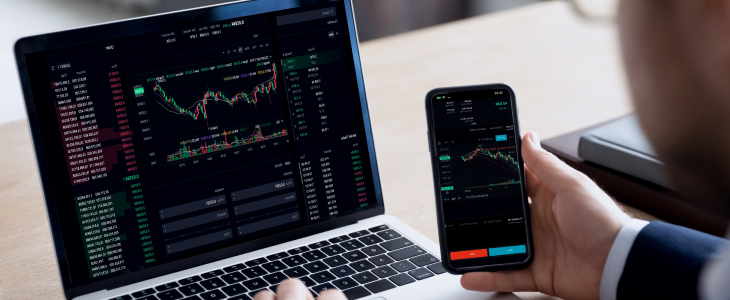
One of the most common methods used by traders is technical analysis, which involves studying price charts and identifying patterns. Traders use various indicators such as Moving Averages, Relative Strength Index (RSI), and Fibonacci retracement to forecast future price movements.
Fundamental Analysis
Fundamental analysis, on the other hand, focuses on economic indicators, interest rates, and geopolitical factors. Macroeconomic data such as GDP reports, employment rates, and inflation figures can significantly influence currency values. Staying updated on economic news can help traders anticipate market movements.
Risk Management
Risk management is critical in forex trading. Traders use stop-loss orders to limit potential losses and take-profit orders to secure profits at predetermined levels. A commonly recommended approach is to risk only a small percentage of trading capital on any single trade, typically 1-2%.
Choosing a Forex Broker
Selecting a reputable forex broker is essential for trading success. Factors to consider include:
- Regulation: Ensure the broker is regulated by a recognized authority.
- Spreads and Commissions: Compare trading costs to find the best deal.
- Trading Platforms: Evaluate the broker’s trading platform for usability and features.
- Customer Service: Good support can help resolve issues quickly.
Psychological Aspects of Trading
Trading psychology plays a pivotal role in determining the success of a trader. Emotions like fear and greed can lead to impulsive decisions, resulting in losses. Maintaining discipline and a clear mindset is essential. Traders are encouraged to develop a trading plan and stick to it, regardless of market emotions.
Common Trading Mistakes
New traders often fall prey to common mistakes, which can derail their success. Some of these include:
- Trading without a plan: A lack of a defined strategy can lead to random decision-making.
- Over-leveraging: Using excessive leverage can amplify losses.
- Ignoring market news: Being unaware of the latest economic news can lead to unfortunate trades.
- Chasing losses: Trying to recover from losses quickly can result in further losses.
Conclusion
Forex trading in the foreign exchange market offers abundant opportunities for profit. However, it requires a solid understanding of market mechanisms, thorough research, and effective risk management. The dynamic nature of forex trading means that traders should continually educate themselves and adapt to changing market conditions. By employing robust strategies, maintaining discipline, and making informed decisions, traders can navigate the exciting yet complex world of Forex successfully.
As you explore the foreign exchange market, remember that practice is key. Many brokers offer demo accounts that allow new traders to hone their skills without risking real money. Diversifying your trading skills and always seeking knowledge is vital in this ever-evolving marketplace. Happy trading!